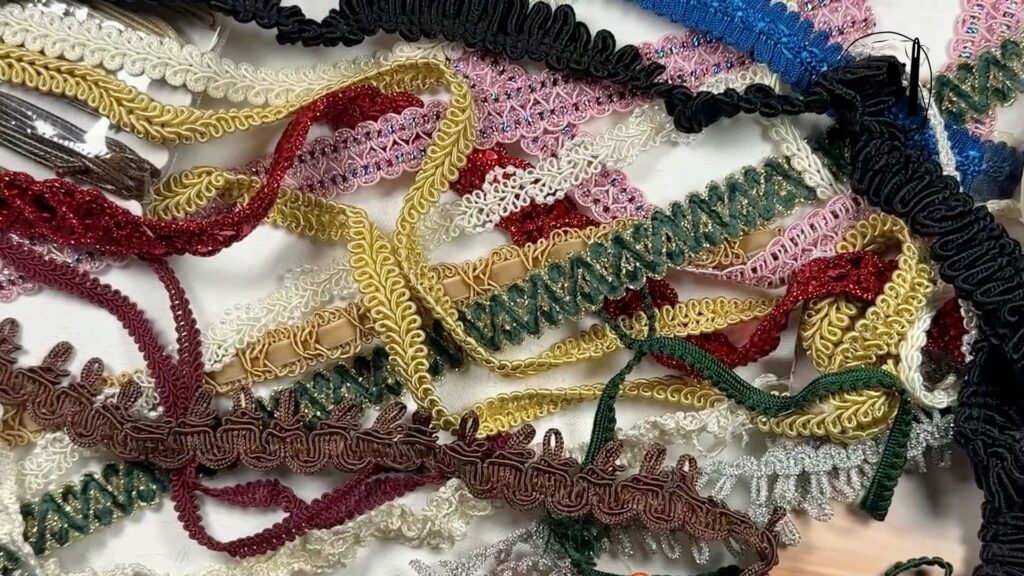
Starting this topic, I discovered that I really knew nothing about Braids.
We see them often in furnishings but not so much in clothing. Braids are a family of embellishments falling under the broad umbrella of Passementerie. Passementerie also includes trims such as tassels and Pom Poms, Fringes and Cords.
Historically they were used to adorn furnishing and military uniforms as well as jackets and wedding gowns. They were also popularly in millinery, particularly the Chenille Braid. However as hat use has decreased over the years, and modern furnishings are less ornate, Passementerie is not as prominent as it once was.
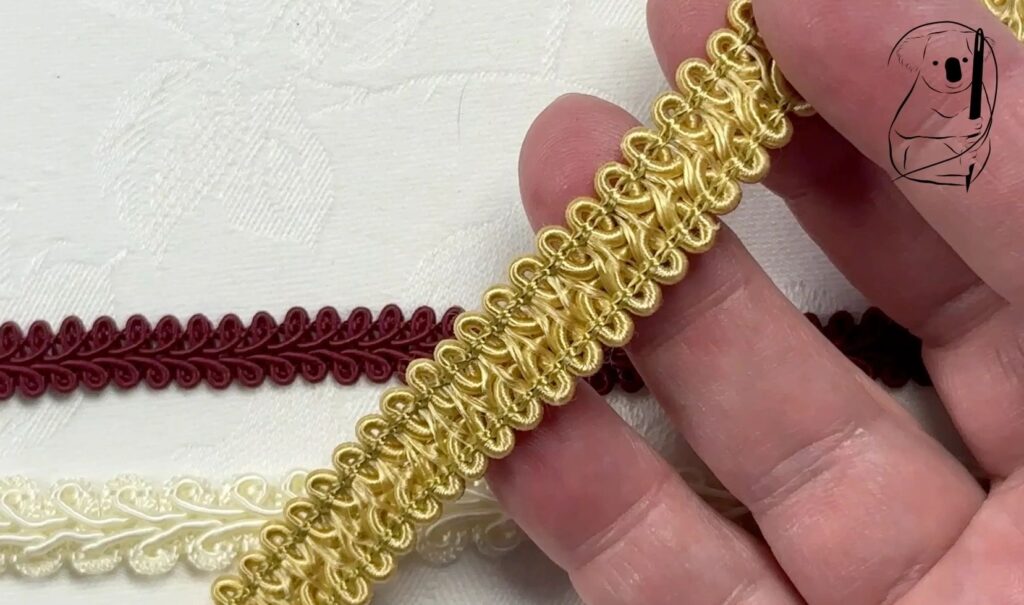
I selected Soutache Braid for my project as I was intrigued by this one. Unlike other Braids, Soutache is formed from a single long strand which is made into shapes and strips.
Be aware that there are different qualities to Soutache. The silver Soutache you see in the video, is much stiffer than the blue Soutache I used in my project.
While I did manage to find some Soutache in fabric stores locally, the lack of this item generally means that you may have to order it online. In that case, the quality of the braid will be unknown until you actually receive it.
I did like working with it as it made shapes very easily. But be warned, though it seems easy to stitch, the needle must go through the centre of the Braid or it will snag. See my blog on the Soutache project - Melanie for more info on this Braid.
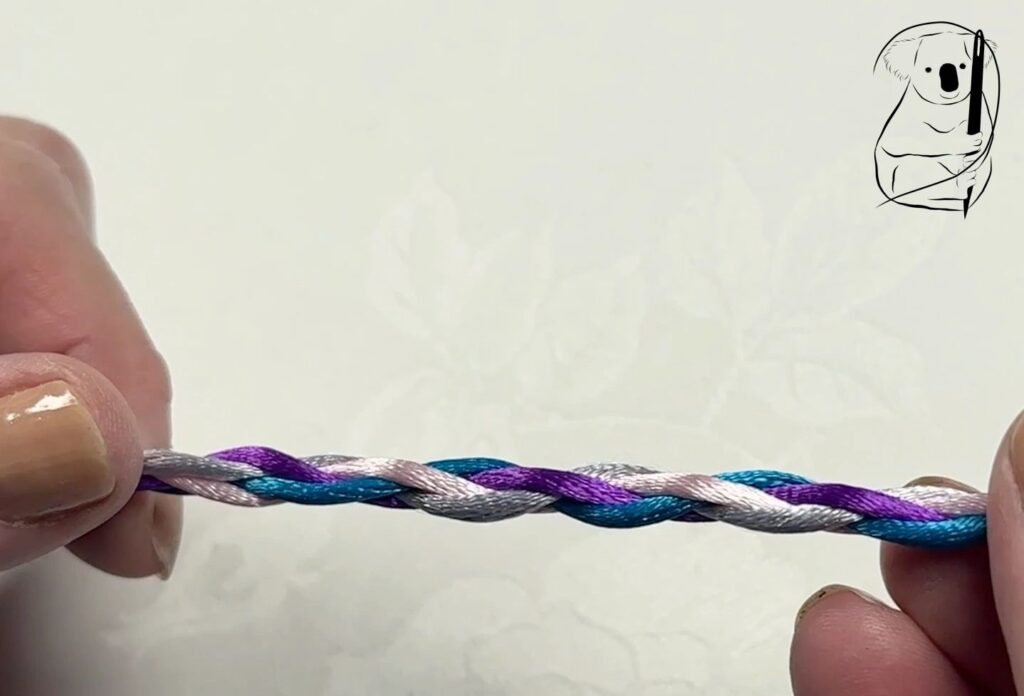
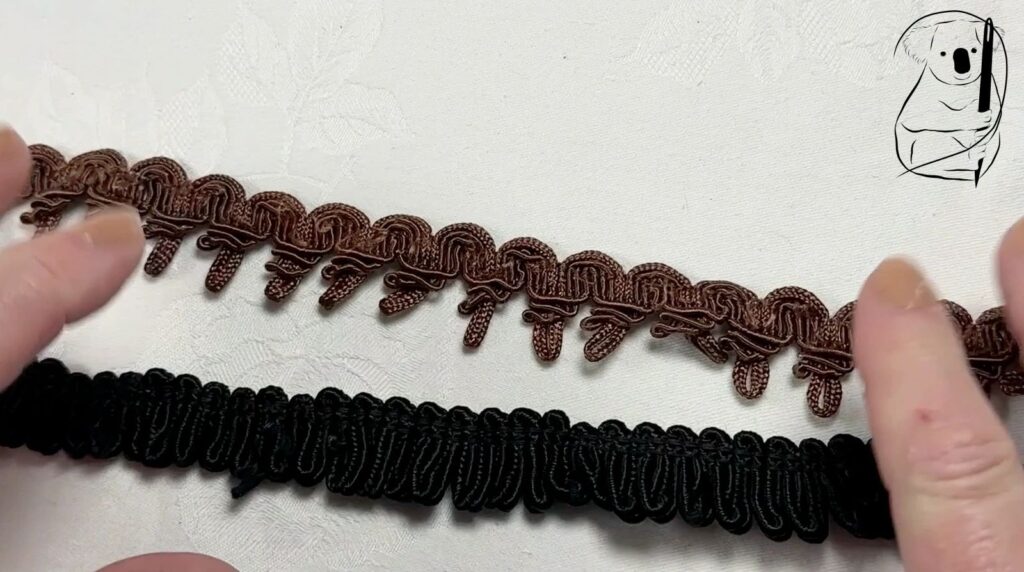
Making your own Plaits is a lot of fun. In the image on the left, I used 4 strands of nylon to make a braided Plait. There are videos on Youtube regarding making plaits with 5, 6 and 8 strands.
The nylon cord used in the video to make the plait on the left, was very slippery and it was difficult to maintain a good tension. You can see in the video that I had to stop the plaiting of the strands often to adjust the tension on the braid.
If you make your own, try to use a material that has grip or will hold the twists better. Leather thong would be a good example however leather has a smooth and rough side which would give a different look.
The Plait on the left is rounded however you can easily make flat plaits if that suits your project better.
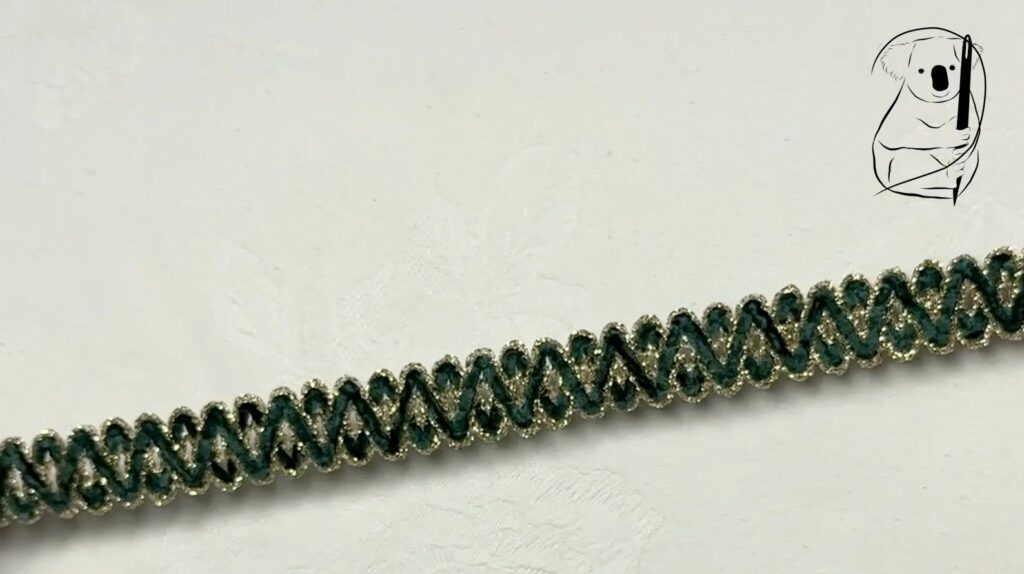
Chenille Braid is lovely and textural. The one on the right has a beautiful, soft chenille yarn running through the Braid. However, the gold framework of thread that the chenille intertwines with, is quite rough and much more suited to furnishings and hats than garments.
This particular type of Braid was really hard to find. This was the only example I found in my large, local sewing store. If you are wanting to find this particular Braid then I would suggest looking in furnishing fabric specialty shops.
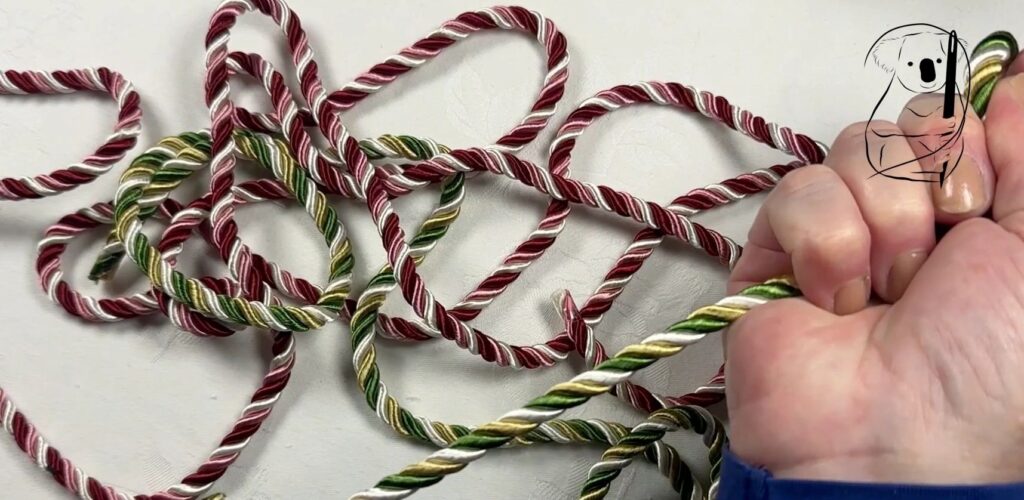
Cord Braid is an old fashioned memory for me. This was the cord that held nightgowns closed, and was used in curtain tie backs and as a piping in cushion cover trim.
Again it is not very common but I did find a few decorative examples for use in home furnishings. It is really a bit too bulky to be considered in everyday garment usage.
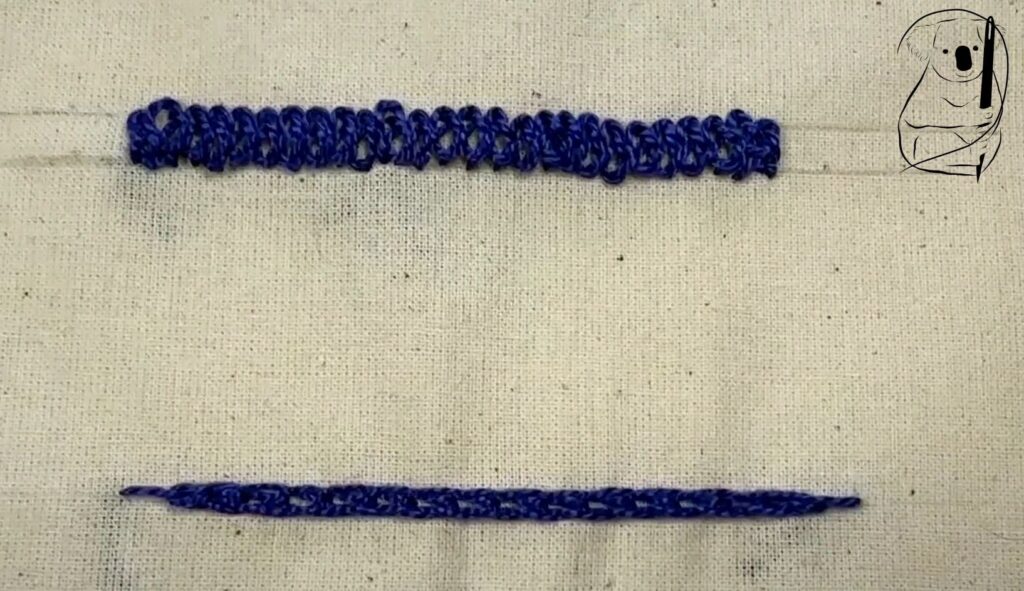
I provided a couple of examples of stitches which look like Braid. Apart from Braid Stitch or Cable Plait Stitch, and Hungarian Braided Chain Stitch, there is also Elizabethan Plaited Braid Stitch or simply Plaited Braid Stitch.
These stitches provide an avenue to embellish an item with a "Braid" if you require a specific colour for example. It would also be suitable if you wanted to decorate a very difficult shape with a "Braid" look.