The blanket stitch is a versatile and decorative stitch commonly used in sewing and embroidery. Renowned for its durability and aesthetic appeal, this stitch is can be used in projects that require a secure and attractive edge finish as well as to create a highly decorative outline.
Steps to Create Blanket Stitch
Step 1: Preparation
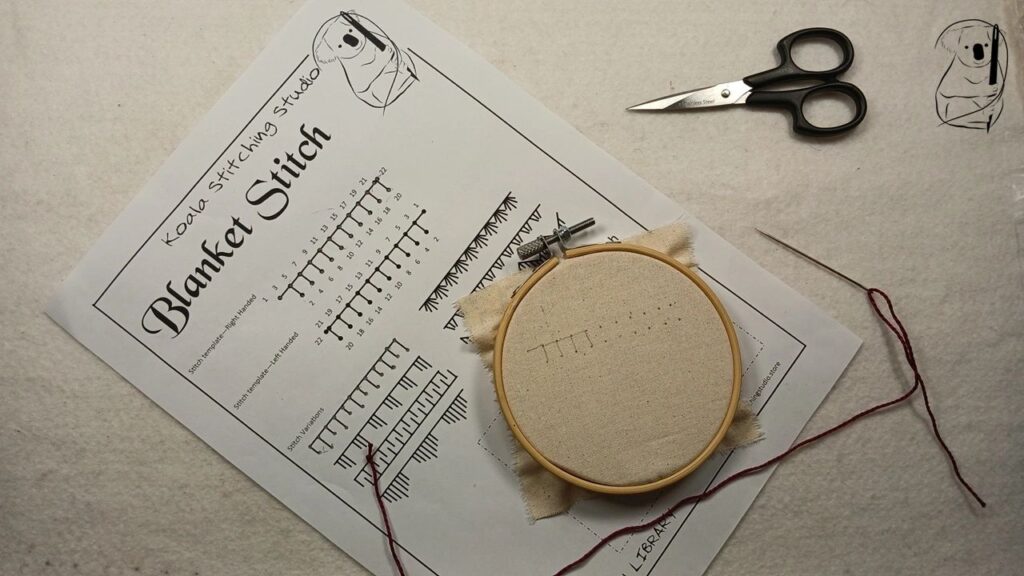
Cut a length of thread, approximately 12 to18 inches long, to ensure it is manageable and doesn't tangle easily. Thread the needle and knot the end of the thread to prevent it from pulling through the fabric. (see our video Getting Started in Hand Stitching for a simple starting knot, or the Getting Started in Hand Stitching blog page for a description with photos)
Step 2: Starting the Stitch
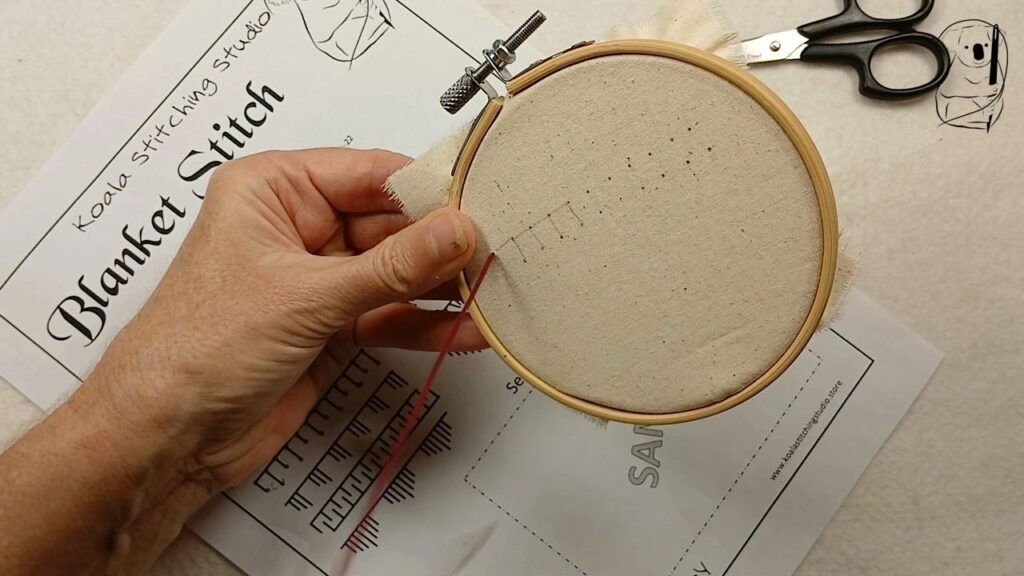
To create a flat decorative stitch within the body of the fabric, insert the needle from the underside, at the end of your stitching line. Pull the thread through until the knot rests against the fabric.
Step 3: Form the First Loop
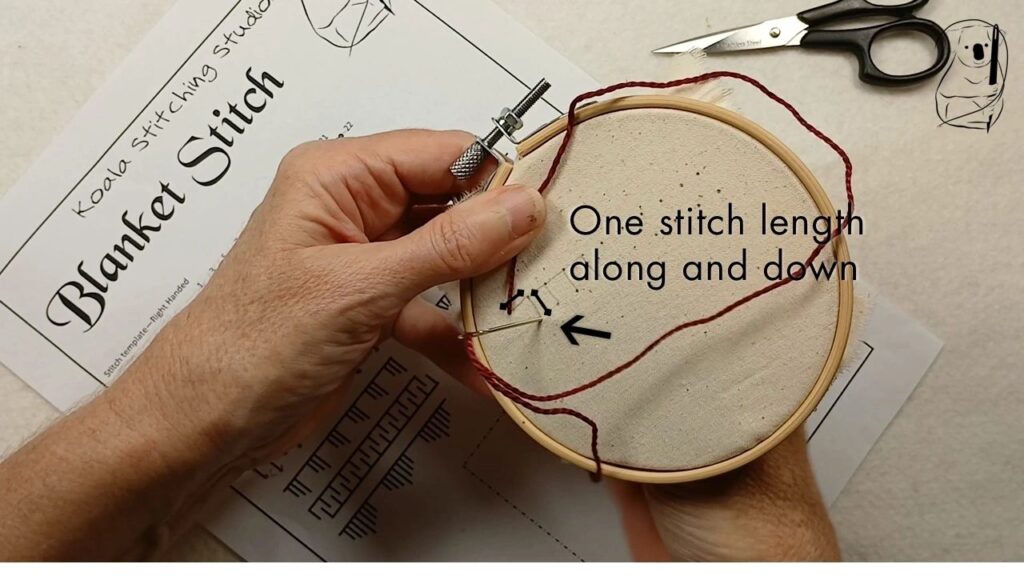
Insert the needle back into the front of the fabric, one stitch length along and down from the stitching line.
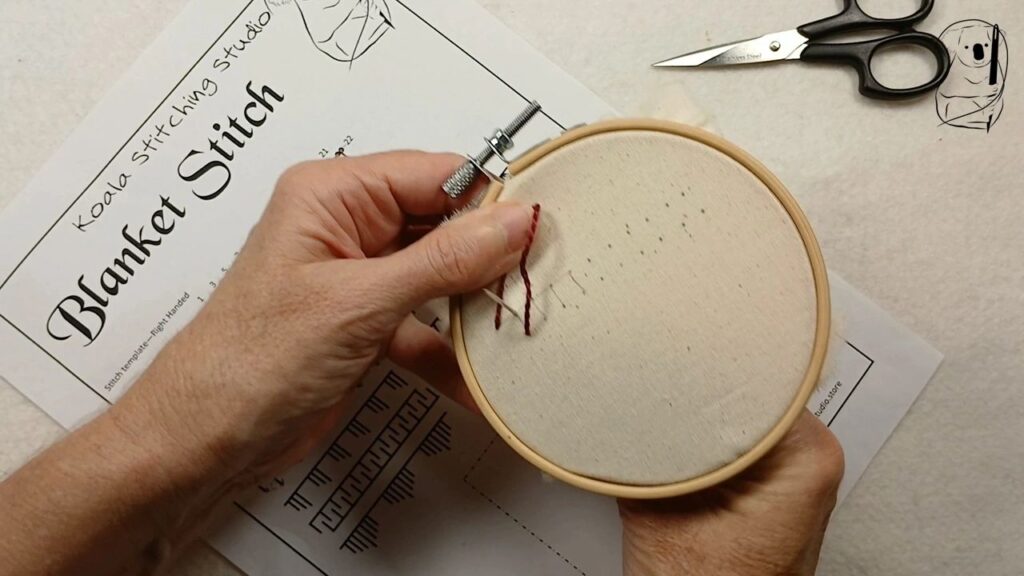
Without pulling the thread taut, bring the needle back up on the stitching line, directly above the previous insertion point.
Step 4: Secure the Loop
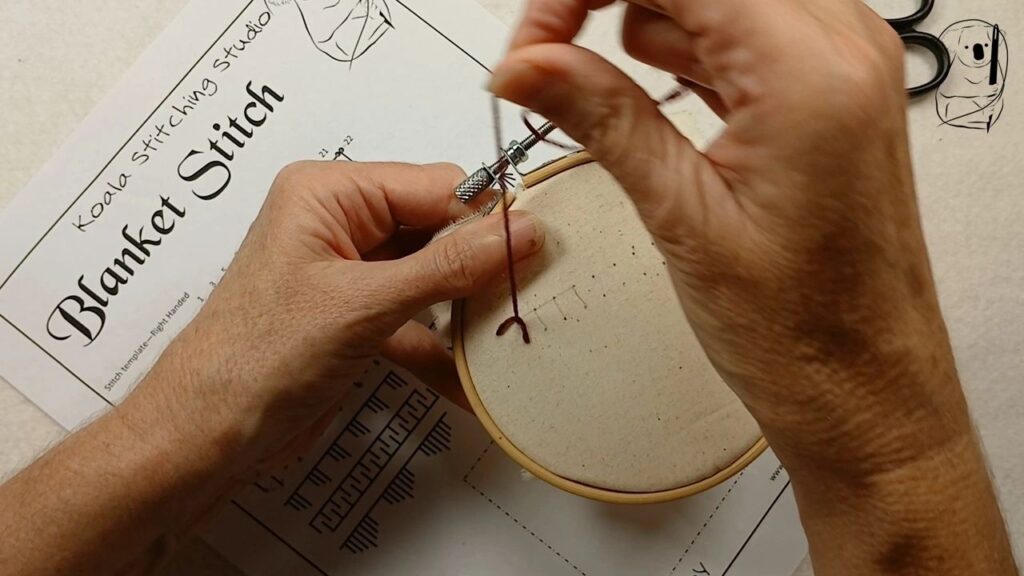
Take the needle through the loop of thread on the surface of the fabric and gently pull until the excess thread has moved through the fabric. The thread on the fabric forms a corner around the thread to the needle.
Step 4: Continue Stitching
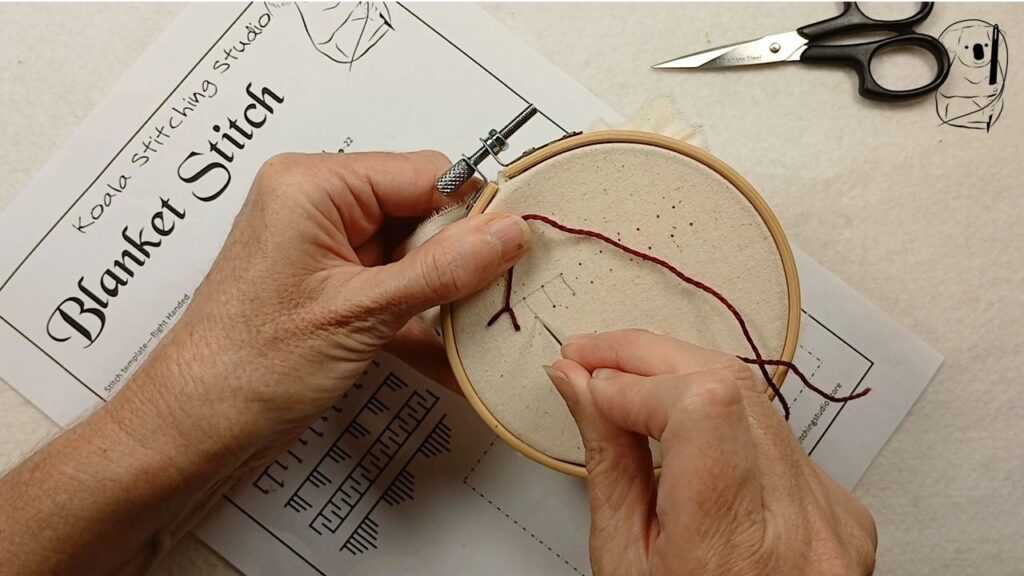
Repeat the process, inserting the needle one stitch length along and down for each stitch.
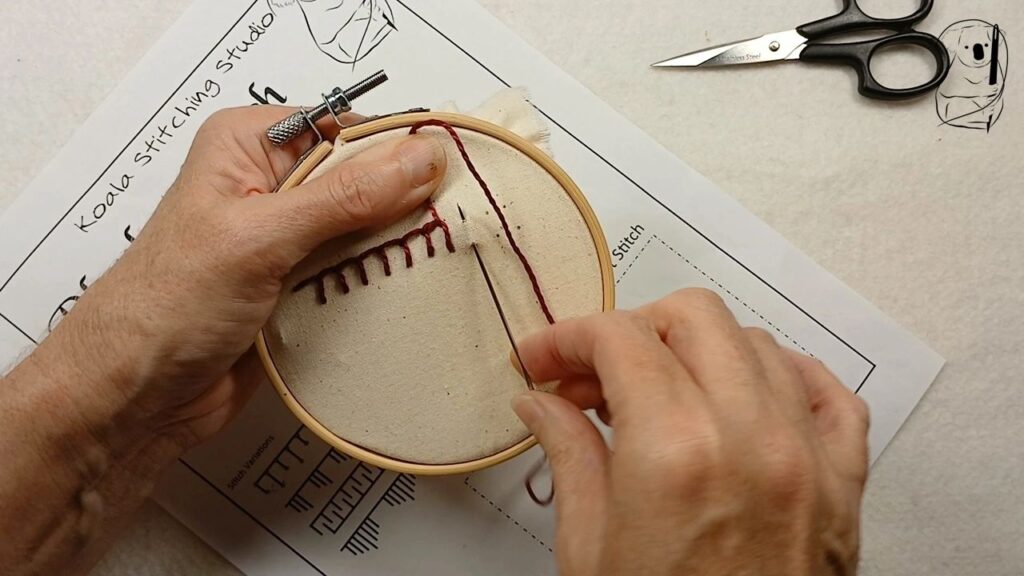
To speed the process, bring the needle up through the fabric to the stitching line in the same motion as inserting the needle, and loop the thread over the needle, so when the thread is draw through, the stitch forms in one action.
Step 5: Finishing the Stitch
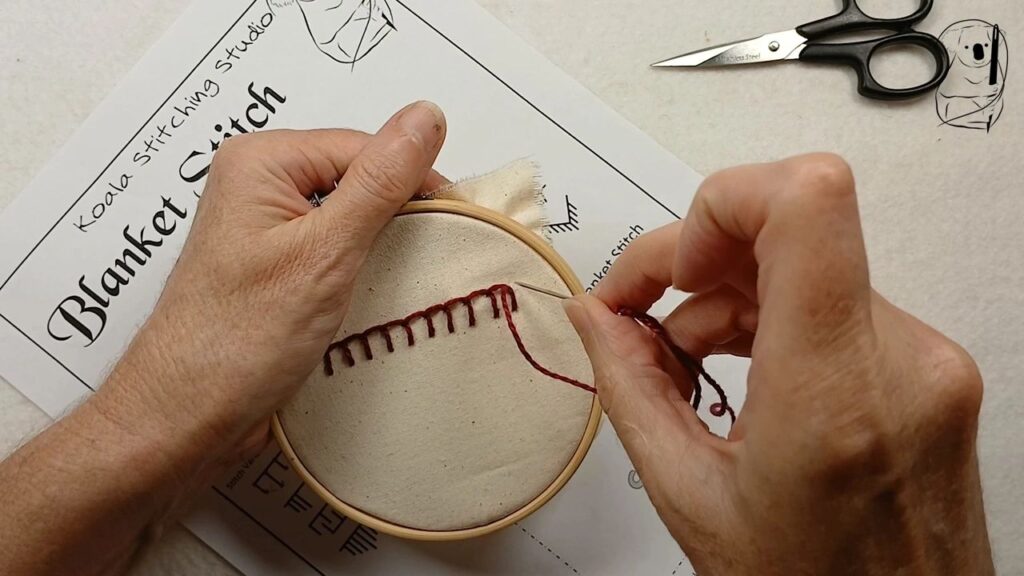
When you reach the end of your line of stitching, take the needle to the under side of the fabric, catching the loop with a small stitch.
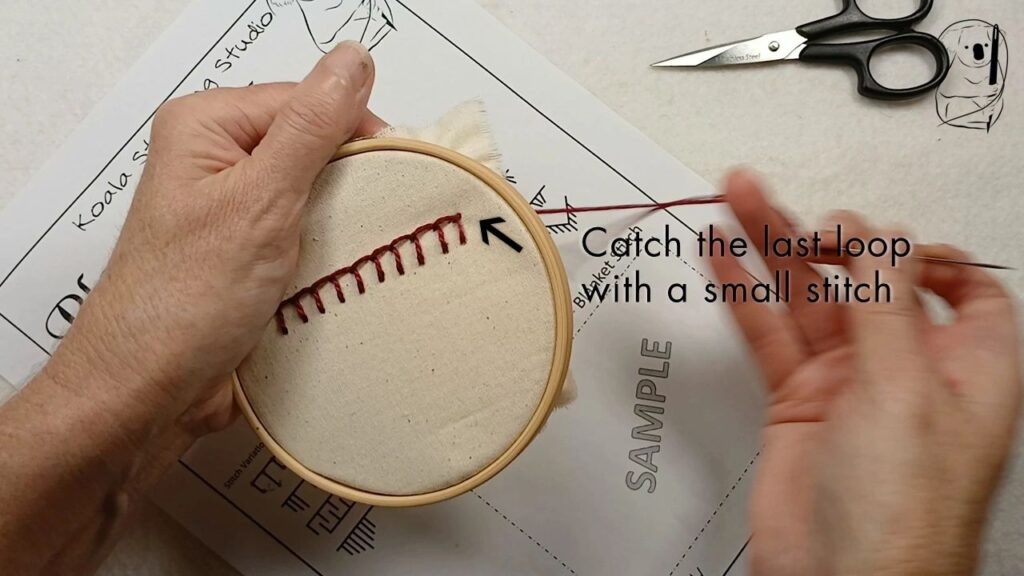
Make a small knot close to the fabric to secure the thread. Trim any excess thread with scissors. (see our video - Getting Started in Hand Stitching for a simple end knot, or the Getting Started in Hand Stitching blog page for a description with photos)
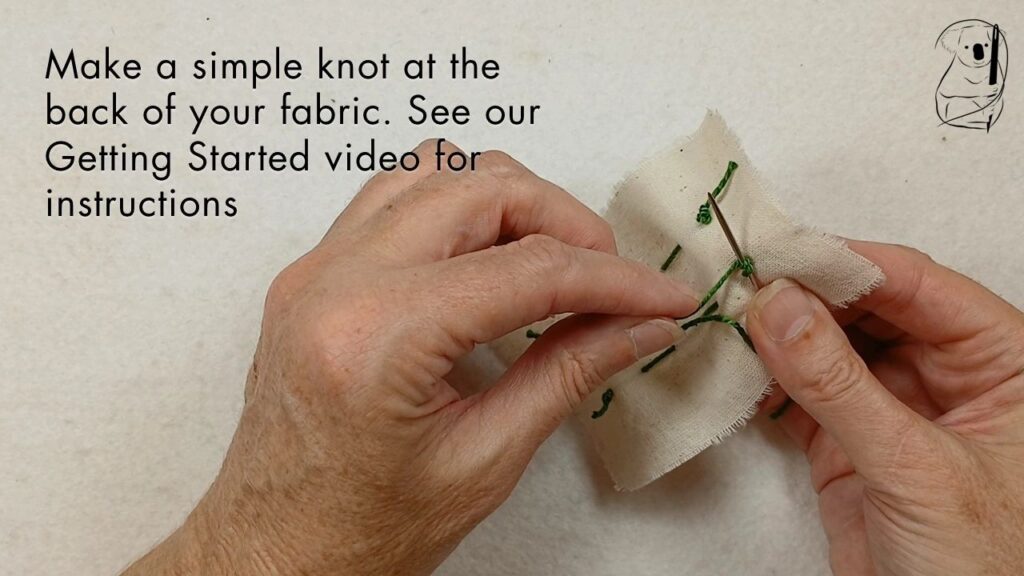
If your thread runs out while sewing blanket stitch, or if you wish to change thread colours, bring the new thread up on the stitching line, to hold the corner of the last stitch.
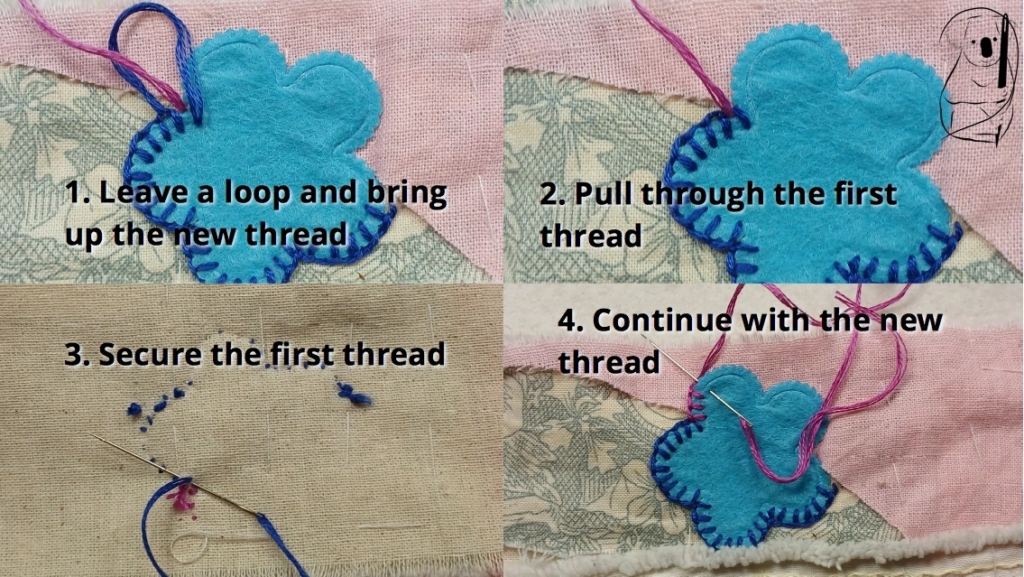
Secure the tail of the old thread on the under side of the fabric, and continue stitching with your new thread.
Variations on Blanket Stitch
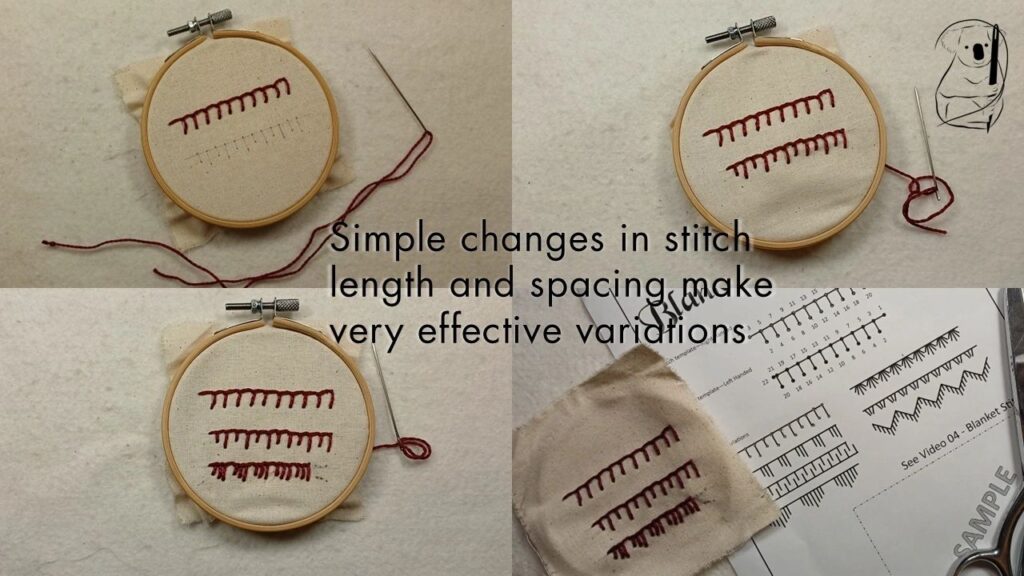
The possibilities for creating variations with Blanket Stitch are virtually endless. By varying the length of the 'leg' of the stitch, or the spaces between stitches, you can create new patterns for decoration. By changing the angle of the stitches even more possibilities emerge.
Applications of Blanket Stitch
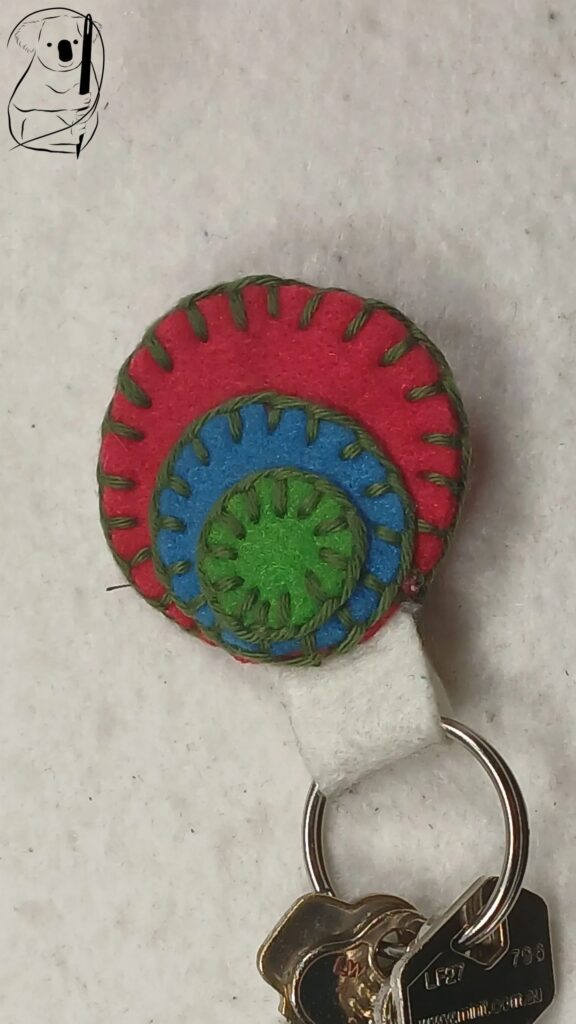
Blanket stitch is admired for both its functional and decorative potential.
Edge Finishing
Blanket stitch is frequently used to finish the edges of blankets, hence its name. It provides a neat and attractive finish that prevents the fabric from fraying.
Reinforcement
Blanket stitch is effective for reinforcing edges and seams that experience frequent wear. Its strong, looped structure provides added durability, making it suitable for reinforcing the edges of pockets, collars, and cuffs.
Appliqué
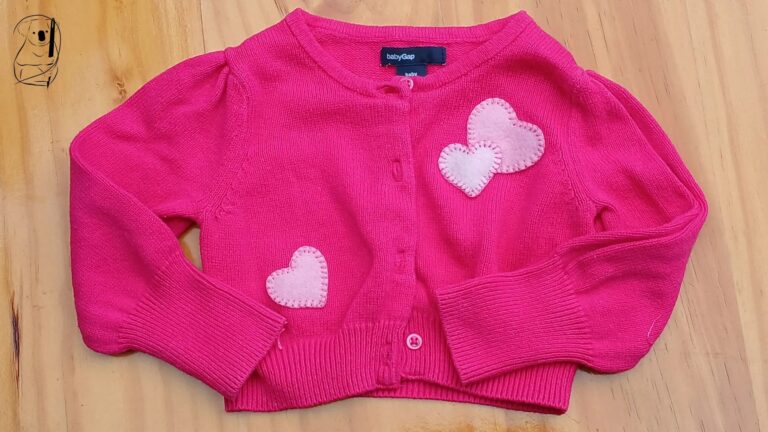
In appliqué work, blanket stitch is employed to attach one piece of fabric onto another. It secures the edges while adding a decorative outline, making it a popular choice for patchwork quilts and fabric art.
Decorative Edge Join
Often used with felt toy making, blanket stitch securely joins two pieces of fabric together with a decorative edge
Decorative Stitching
Beyond utilitarian use, blanket stitch can enhance the visual appeal of various items.
It is often used to add a decorative border to clothing, table linens, and accessories.
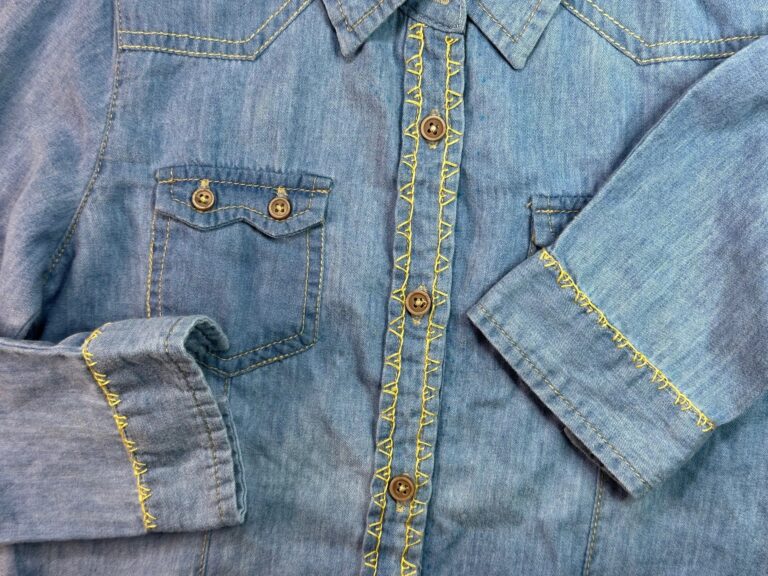
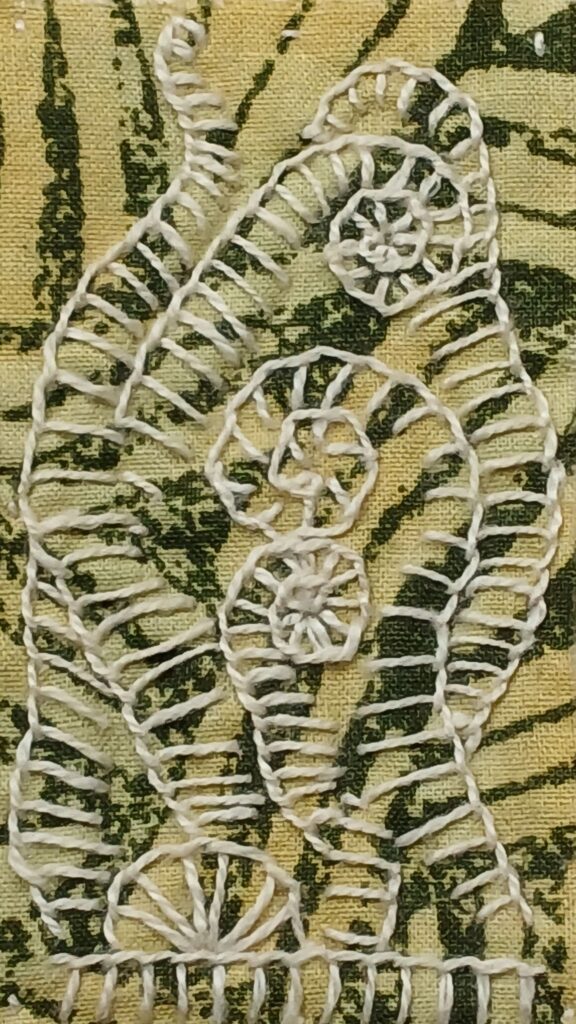
This is seen in our project Avery, where Blanket stitch highlights the structure of the shirt, in a colour that complements the existing stitching.
The stitch can be varied in size and colour to create intricate patterns and designs. In Avery, the stitch is made in a pattern that uses changes in the angle of the stitch to great effect.
Blanket stitch can also be used in a spiral format over the surface of fabric, to create the illusion of mosaic tiles.
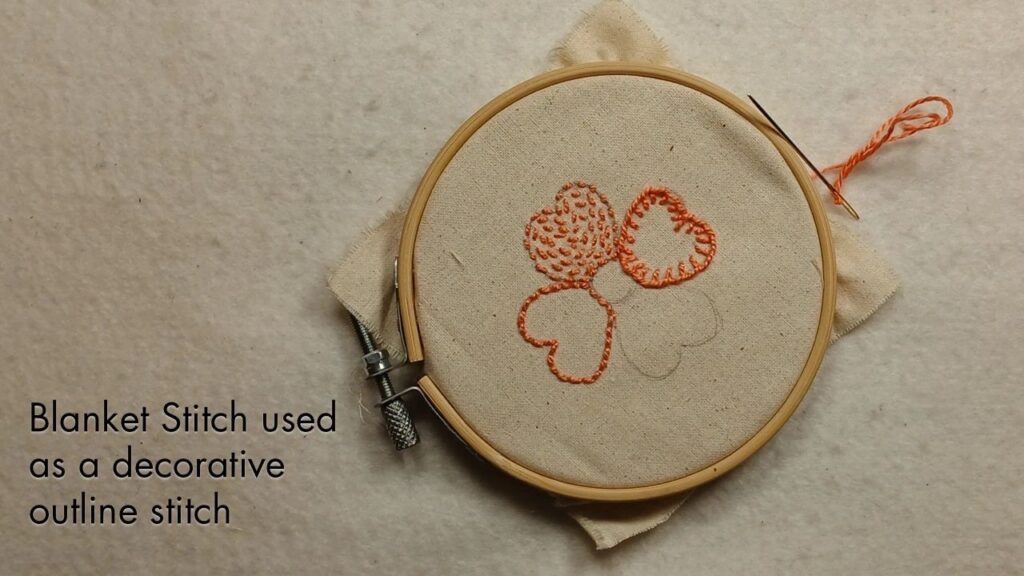
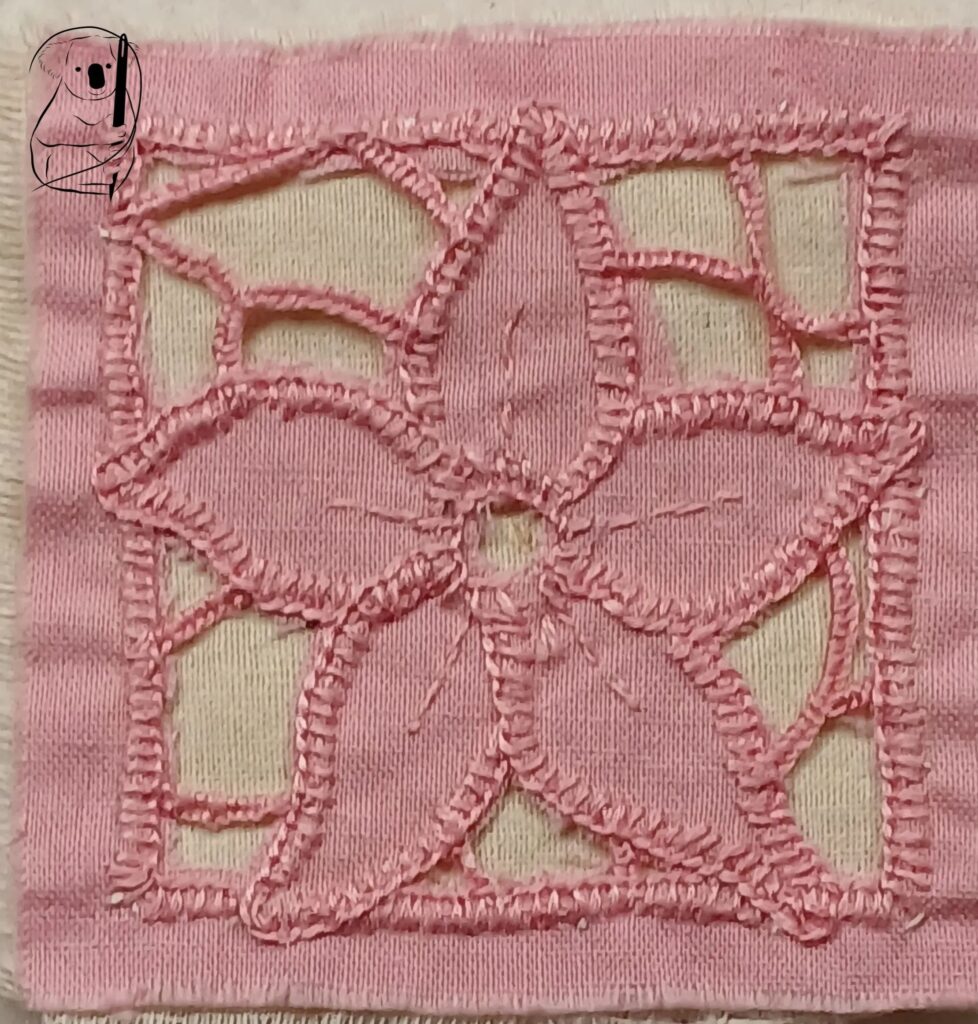
Buttonhole stitch is blanket stitch's close cousin, the stitch being made in the same way. The stitches are, however, made closer together when covering a raw edge, or creating a bar across an open space, such as in cut work.
And of course, buttonhole stitch is used to great effect when securing and protecting the raw edges of a button hole from the wear of doing up and undoing a garment.